5 lessons a solo Rust builder learns against 200 hunters
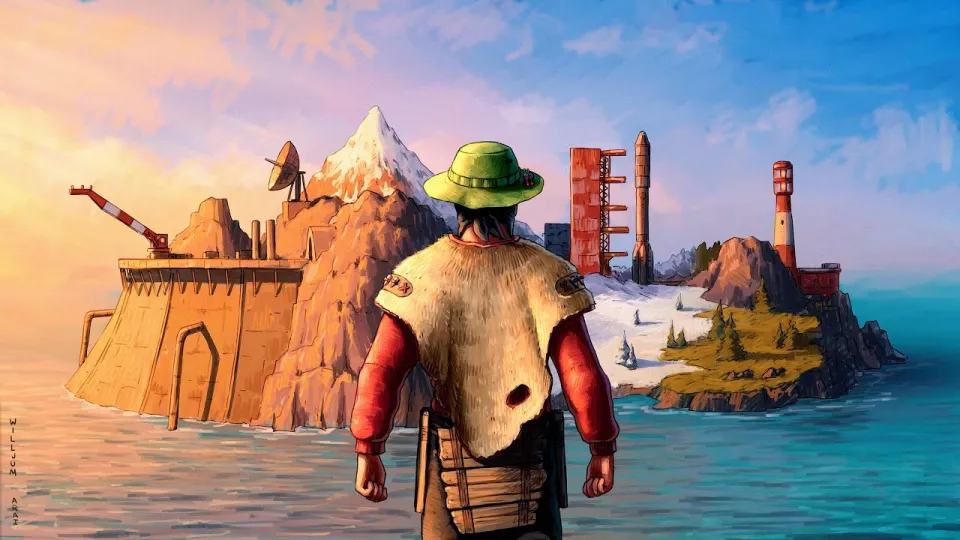
Video: When a Solo Rust builder Vs 200 Hunters...
Want articles like this for your own video to promote it on YouTube and Google? Order them through the Telegram bot @sat_sit_bot. The bot writes and publishes the articles itself (with your YouTube video embedded) on popular topical websites (no ads). Your first 50 articles are free.
Key takeaways
- Willjum's video pits one solo builder against a server-wide hunt of roughly 200 players.
- The format is a departure from his usual chill solo survival videos, built around a single siege scenario.
- Viewers pushed hard for sequels: duo and trio versions, a 24-hour prep window, and a multi-creator series.
- One stranger delivered gears and rope to the builder mid-run, showing that solo play still leaves room for diplomacy.
- The run ends with a meat-stocked inventory after a bear encounter, a small reminder that survival chores never stop.
Rust is a survival game where a solo player normally avoids attention, but a solo builder can survive a 200-hunter manhunt by treating the base as a trap, prepping materials before the siege starts and keeping supply lines open. Willjum's video "When a Solo Rust builder Vs 200 Hunters..." turns that idea into a full scenario: one player, one base, and a server full of people whose only job is to break in. Support for more experiments like it is available through Willjum's Patreon, where viewers back the channel directly.
The premise is simple and brutal. Rust rewards numbers: a clan of five can farm faster, craft faster and raid longer than any solo. A 200-hunter hunt removes every advantage except preparation, positioning and the willingness to keep rebuilding after each failed push.
Why a 200-hunter hunt is the hardest test for a solo Rust builder
A solo builder's real enemy in Rust is not the first raiding party but the second and third wave that arrives while the base is still smoking. In a normal wipe, a solo player picks quiet corners of the map, builds small, and hopes nobody bothers to craft explosives for a two-by-two. A hunter event deletes that option: the map is hostile by design, and every neighbor is a potential scout.
That changes the math of base building. A big, impressive compound signals loot, and loot justifies the cost of a raid. A small, layered base with cheap doors and hidden loot rooms forces attackers to spend more sulfur than they recover. Against 200 hunters, the goal is not to be unraidable. It is to be annoying enough that most attackers move on to an easier target.
Five preparation steps that decide a solo defense
Preparation is the only part of a hunter scenario a solo player fully controls, so it deserves more time than the fight itself. These five steps cover the essentials.
- Pick the terrain before the base. Rocks, cliffs and water choke points slow groups down and make it harder to surround a structure. A base on flat, open ground is a gift to a coordinated raid.
- Stockpile building materials, not just loot. Stone, wood and metal fragments let you repair walls and seal breaches during a fight. A defender who can rebuild a wall in seconds wastes more of the attackers' explosives than one who only shoots.
- Layer the doors and split the loot. Multiple airlocks, false rooms and small stashes spread across the map mean a single breach never ends the run. Attackers who blow through three doors to find a furnace and a sleeping bag rarely come back.
- Keep a kit outside the base. A stash with a weapon, armor and tools turns a wipe into a setback. Without it, one successful raid sends the solo player back to a beach with nothing.
- Plan the escape route. Knowing where to run, where to hide and which neighbor is friendly matters more than a perfect shooting angle. Survivors rebuild; heroes respawn.
Base design choices that punish a crowd
Base design is where a solo builder converts a numbers disadvantage into time. Groups are strongest when they can move freely around a target, so every design choice should narrow their options.
Shooting floors and peek windows let one defender threaten several angles without exposing themselves. Honeycomb walls absorb the first rockets and force attackers to commit explosives before they know where the loot is. A tall, narrow footprint with a small roof access is harder to surround than a wide compound. And a secondary base nearby gives the solo player somewhere to respawn, re-gear and counter-push instead of starting over.
The psychology matters too. A base that looks expensive but sits behind multiple doors and awkward terrain makes raiders calculate cost. Most groups in Rust are not looking for a fair fight; they are looking for profit. Make the profit look bad.
What the community wants next from the format
The reaction to the video was dominated by requests for more, and the suggestions point at what made the format work. Viewers asked for duo and trio versions with well-known solo and small-group creators, a rematch with a full 24 hours of preparation, and a longer uncut version of the run for people who want the whole siege.
The most ambitious idea in the comments was a multi-creator event: several builders, each with their own base on one map, all defending against an endless horde until only one structure stands, followed by a final shared base. That concept borrows from Rust's natural sandbox politics, where temporary alliances form and collapse within a single wipe.
A smaller but telling detail: one player brought the builder gears and rope mid-run. In a scenario built around hostility, a single act of trade or goodwill can change the outcome of a defense, and it is the kind of moment that makes Rust stories worth watching.
Common questions about solo survival in Rust
Solo survival in Rust comes down to three habits: stay small, stay mobile and stay informed. New players often build too close to monuments or roads, where traffic guarantees attention, and then quit after the first raid. Building a short distance from a monument, with a bag hidden in the woods, gives a solo player the farming access they need without advertising their location.
A second recurring question is whether to fight or flee when a group shows up. Against one or two players, a solo defender with a good angle can win. Against a coordinated group, the better play is usually to let them waste explosives on empty rooms while re-gearing from a stash. Revenge is optional; progress is not.
Finally, viewers often wonder how much of a run is scripted. In Rust, the sandbox does most of the work: resource costs, raid mechanics and player behavior are fixed rules, and a scenario like a 200-hunter hunt simply concentrates them into a short window.
Useful links
- Willjum on Patreon — direct support for the channel and its projects.
- Willjum on Twitch — live streams and longer sessions.
- Willjum on Twitter — updates and announcements.
- Creative Commons Attribution 4.0 — license covering music used in the video.
What this solo Rust experiment proves
A 200-hunter hunt does not prove that a solo player can out-fight a server; it proves that preparation, layered base design and a spare kit can turn an unwinnable numbers gap into a long, watchable defense. The format works because Rust's rules are honest: sulfur costs, door strength and player greed behave the same for everyone. Willjum built the scenario around those rules and let the server do the rest, which is why the comments are full of requests for a sequel rather than complaints about fairness. If you want more experiments like this one, supporting the channel through Willjum's Patreon is the most direct way to make them happen.
Questions & answers
What is the video "When a Solo Rust builder Vs 200 Hunters..." about?
It is a Willjum scenario in which a single solo player builds and defends a base while a large crowd of hunters tries to break in. Instead of the usual chill solo survival format, the run is built around one siege and the preparation that comes before it.
Can a solo player actually survive against a large group in Rust?
Not by winning a straight fight, but by making the raid expensive. Layered walls, split loot, hidden stashes and repair materials force attackers to spend more explosives than they recover, which is often enough to make most groups look for an easier target.
What preparation matters most before a siege?
Terrain, materials and redundancy. Building on rough ground with chokepoints, stockpiling stone and metal for repairs, and keeping a spare kit and secondary base outside the main structure give a solo defender time to recover after a breach.
Will the format return with duos, trios or more creators?
Nothing is confirmed, but the response was overwhelmingly in favor of sequels. Suggested versions include duo and trio runs with other creators, a rematch with a full day of preparation, and a multi-creator event where several bases fall one by one until a final shared defense.
Source: When a Solo Rust builder Vs 200 Hunters... · Markdown version