Wardogs Season 2 Update in 2026 Brings a Reworked Economy, Logistics Nerfs and New Vehicles
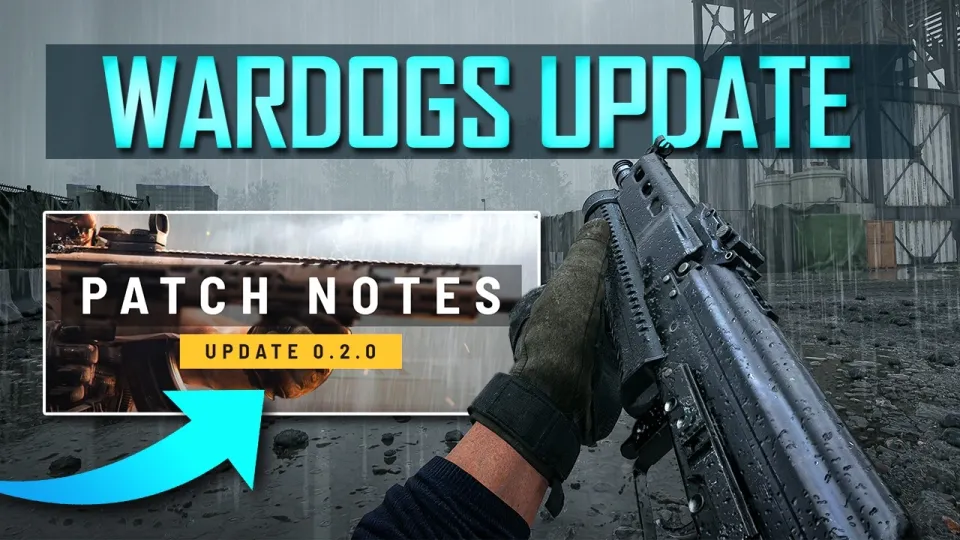
Video: WARDOGS New Season 2 Update ► EVERYTHING You Need To Know
Want articles like this for your own video to promote it on YouTube and Google? Order them through the Telegram bot @sat_sit_bot. The bot writes and publishes the articles itself (with your YouTube video embedded) on popular topical websites (no ads). Your first 50 articles are free.
Key takeaways
- Wardogs Season 2 went live in October 2026 and reworks payouts for logistics, FOB building, helicopters and kill streaks.
- A supply pallet delivered at a 10 streak now pays $1,250 base plus a $2,500 bonus, with the streak numbers counted outside the combat zone.
- The minigun Little Bird is now more expensive to buy and fly, while anti-air options and a new anti-air vehicle were added.
- The .50 cal damage was reduced by 16%, which lets tier 2 armor survive a hit from the end-game sniper rifle.
- The SKS bipod price went from $800 to $810, and several low-zoom optics were pushed to later unlock levels.
The Wardogs Season 2 update is a broad rework of how the game pays you, aimed mainly at the economy around logistics, FOB building, helicopters and kill streaks. Supply deliveries now scale with your streak, the minigun Little Bird costs more to field, anti-air got new tools, and several weapons and optics were adjusted. The full patch notes are published on Steam, and the breakdown below covers what changed and how it affects your matches.
For live gameplay and discussion of these changes, GhostGaming streams on Twitch.
What the Wardogs Season 2 update changes at a glance
The headline of Season 2 is money. Almost every source of income outside of direct infantry fighting was touched, and most of them moved in the same direction: more work for the same or less pay. The main points:
- Logistics deliveries were reworked around streak-based bonuses, with pallet payouts now shown as a base amount plus a streak bonus.
- FOB construction and supply drop-offs were nerfed across the board, so building a base takes more trips and more time.
- The minigun Little Bird got more expensive, and helicopter economics were tightened on both the income and the purchase side.
- Anti-air options were expanded, including a new anti-air vehicle, which changes how safe pilots are in the early and mid game.
- Weapon tuning includes a 16% reduction to .50 cal damage and small price adjustments such as the SKS bipod moving from $800 to $810.
- Several minimalistic low-zoom optics were moved to later unlock levels, which slows down access to simple red dots.
Logistics payouts and the streak bonus explained
A supply pallet delivered at a 10 streak now pays $1,250 base plus a $2,500 bonus, and the streak figures are counted outside the combat zone. That clarification matters, because the first numbers shown for streaks were measured outside the CZ and looked far worse than the intended values; the corrected numbers are in the patch notes. The design intent is clear: a single short run should pay less than before, while a long, uninterrupted delivery chain should pay more.
The practical result is that logistics is now a job for players who commit to a full session of driving rather than for someone who spawns a truck to top up a FOB that is running dry. A quick emergency run to keep a base supplied no longer has a meaningful reward attached to it, and the URAL in particular earns less than it used to. Players who already disliked driving will find fewer reasons to start, while dedicated drivers can still reach high totals in a single life if they keep their streak alive.
FOB building and base defense after the nerfs
Building a FOB in Wardogs Season 2 costs more effort per structure, because the supply-to-construction ratio was reduced alongside the logistics changes. A base that used to go up with a handful of pallets now needs several times the deliveries for a comparable set of walls, and a single builder working alone will fall behind an attacking squad. Groups that pooled 15 trucks and close to 100 pallets into one tower position in earlier seasons should expect to need more than that now.
The knock-on effect is on defense. If supplies arrive more slowly, the wall that stops a push goes up later, and the window in which a FOB can be overrun widens. Squads that relied on one dedicated builder should plan for at least two players swinging hammers, and commanders should treat a supply convoy as a combat operation rather than a chore. The squad intent list added in Season 2 helps here, since it lets a team see who is assigned to logistics, building or assault without voice coordination.
Vehicles, helicopters and the new anti-air pressure
The minigun Little Bird is now more expensive to buy and to keep in the air, and a fully loaded setup with flares runs into the thousands before you fire a shot. Since a single mistake can wipe that investment, pilots are expected to fly more conservatively, use fewer flares and chase kill streaks to recoup the cost. The change lands at the same time as expanded anti-air, including a new anti-air vehicle and stronger turret options, so the early weeks of the season are likely to be rough for helicopter mains.
On the ground, the .50 cal damage reduction of 16% changes some breakpoints. Tier 2 armor can now survive a hit from the end-game sniper rifle, and the sniper hit zones on the X-ray model refer to the head and neck areas rather than a general body multiplier. Vehicle handling was not meaningfully improved, so the URAL still behaves poorly on rough ground and tight turns. For anyone buying a helicopter, the math is simple: price the airframe, the flares and the fuel against the streaks you realistically expect to earn.
Weapons, optics and progression changes
Small price moves and unlock shifts define the infantry side of the update. The SKS bipod went from $800 to $810, a change too small to affect loadout decisions, and it stands out mostly because other, more requested fixes were not included. Variable zoom scope keybinds remain a common complaint and were not addressed in this patch, which limits how useful those scopes are in practice.
Low-zoom, minimalistic optics were pushed to later unlock levels, so a plain, uncluttered red dot is no longer available early. That directly affects new players and anyone who prefers a clean sight picture over magnified glass. Driver progression was also adjusted, and the leveling curve for drivers remains roughly as demanding as before: the economy changes pay better for long hauls but do not make the driver role faster to level. Landing experience for helicopters is another point players have asked about, since the money and purchase nerfs already hit pilots twice.
Common player concerns about Season 2
The most frequent worry is that logistics and FOB building become obsolete roles. If a driver earns less per trip and a builder needs three to four times the supplies for the same base, the reasoning goes, fewer players will volunteer, and bases will dry up. That concern is valid for casual lobbies, but it ignores the streak bonus, which rewards long, safe delivery chains and can still produce strong totals in a single life.
A second concern is that everything got harder except infantry income, which effectively pushes players toward fighting. That is a fair reading of the patch: infantry combat was left largely intact while support roles were trimmed. The counterweight is that a well-supplied team still wins fights, so the value of logistics shows up in the team result rather than in the personal bank balance. Players who want to test both sides can watch live matches on GhostGaming's Twitch channel and compare the payouts themselves.
All links from the video
- Twitch: http://www.twitch.tv/ghostgaminggg
- Twitter: https://twitter.com/GhostGamingG
- Discord: https://discord.gg/MzkAVCy
- TikTok: https://www.tiktok.com/@ghostgaming_battlefield
- Full patch notes on Steam: https://store.steampowered.com/news/app/1867240/view/670630562731396445
Bottom line on the Wardogs Season 2 update
Season 2 shifts Wardogs toward a harsher economy in which support roles pay for consistency rather than for quick errands. Logistics drivers who keep a streak alive can still make good money, but the casual one-trip resupply is gone, and FOB builders need more hands and more pallets. Pilots face higher costs and more anti-air, and infantry players get small weapon and optic adjustments instead of major buffs. The full patch notes are worth reading before your next match, and GhostGaming's video breakdown walks through every change in order. For live gameplay and a place to ask questions about the new economy, join the stream on Twitch.
Questions & answers
How much does a supply pallet pay in Wardogs Season 2?
A pallet delivered at a 10 streak pays $1,250 base plus a $2,500 bonus. The streak is counted outside the combat zone, and the corrected numbers are listed in the official patch notes on Steam.
Is logistics still worth doing after the Season 2 nerfs?
It depends on how you play. Short emergency runs to top up a FOB pay much less than before, but a driver who keeps a streak alive across a full session can still earn a strong total in one life. The role now rewards commitment instead of quick trips.
Why is the minigun Little Bird more expensive in Season 2?
The airframe and its upkeep were raised while anti-air options were expanded, including a new anti-air vehicle. A fully loaded helicopter with flares costs thousands before you fire, so pilots need kill streaks to recoup the investment.
Did the .50 cal nerf change armor breakpoints?
Yes. The 16% damage reduction means tier 2 armor can survive a hit from the end-game sniper rifle. Sniper hit zones on the damage model refer to the head and neck areas.
Source: WARDOGS New Season 2 Update ► EVERYTHING You Need To Know · Markdown version